Chungnam Travel Guide: Baekje Heritage and the Quiet West Coast
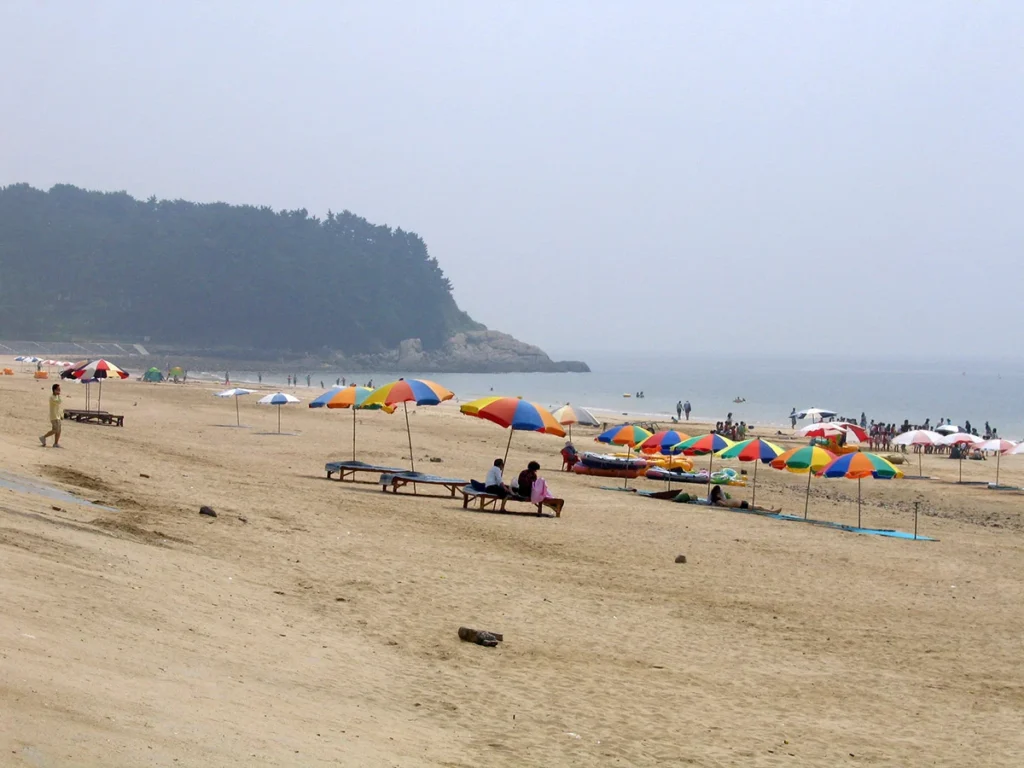
Chungnam (South Chungcheong) is one of Korea’s most underrated regions. Spread across the country’s west-central coast, it pairs the artistic legacy of the ancient Baekje kingdom with long sandy beaches, tidal flats, and quiet temple mountains — all within easy reach of Seoul yet far from the tourist crowds.
Baekje heritage: Gongju & Buyeo
The region’s cultural heart lies in Gongju and Buyeo, the last two capitals of the Baekje kingdom and part of the UNESCO-listed Baekje Historic Areas. Walk the riverside fortress of Gongsanseong, see the intact royal tomb of King Muryeong, and admire the elegant stone pagoda at Buyeo’s Jeongnimsa temple site. It’s a quieter, more contemplative alternative to Gyeongju in the east (we have a full guide to both cities on the blog).
The west coast & mud festival
Chungnam’s coastline is all wide beaches and mineral-rich tidal flats. The most famous spot is Daecheon Beach in Boryeong, which each summer hosts the Boryeong Mud Festival — one of Korea’s most internationally popular events, where visitors happily wrestle and slide in grey mud said to be great for the skin. Outside festival season it’s simply a lovely stretch of west-coast sand.
Taean’s coast and islands
The Taean Peninsula is a national marine park dotted with beaches, pine forests, and offshore islands. In spring, the Anmyeondo tulip festival blankets the area in color, and the sunsets over the Yellow Sea here are among the best in the country.
Temples & mountains
Inland, the forested temple of Magoksa near Gongju is a UNESCO World Heritage “Mountain Monastery,” while Sudeoksa and the granite ridges of Gyeryongsan National Park reward hikers. For history of a different era, Cheonan’s Independence Hall of Korea is the country’s largest museum of its modern struggle for sovereignty.
Good to know
- Getting there: 1–2 hours from Seoul by express bus or train; Cheonan-Asan is on the KTX high-speed line.
- Best time: spring for tulips and temple grounds, summer for beaches and the mud festival.
- Pace it: the heritage cities and the coast are in different directions — pick one focus per trip.